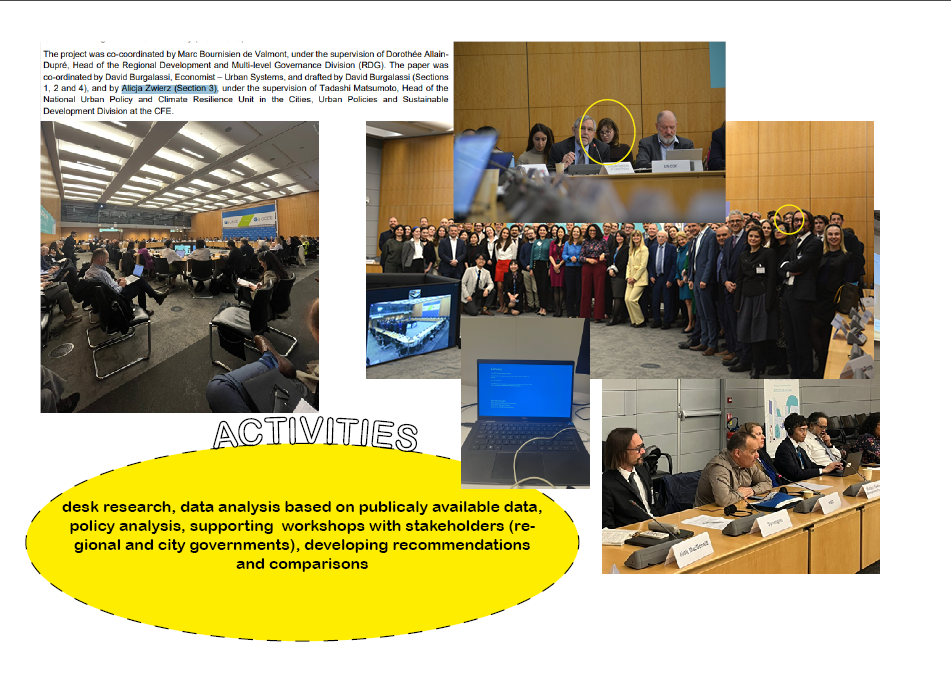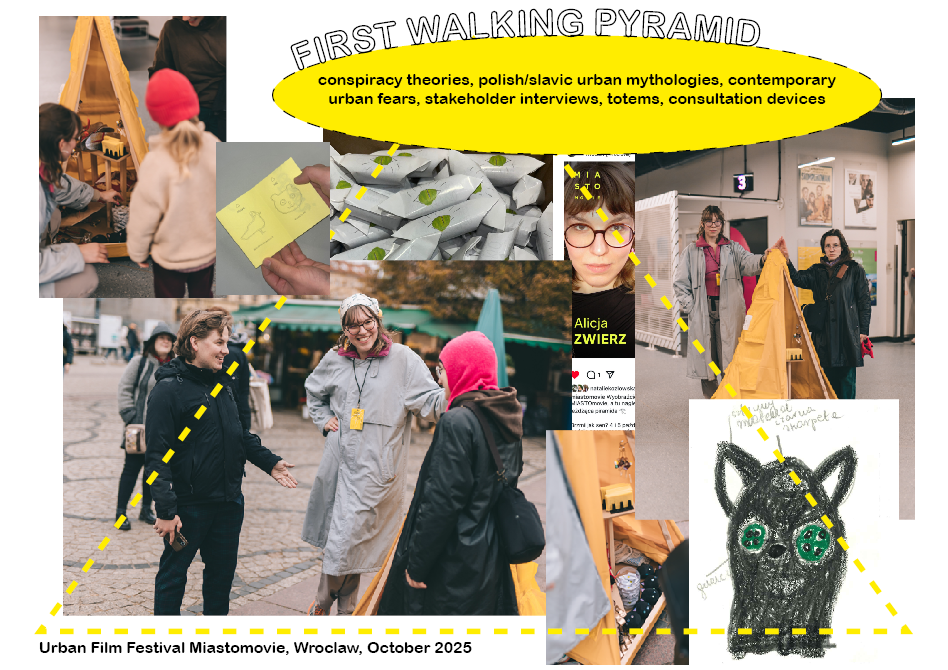
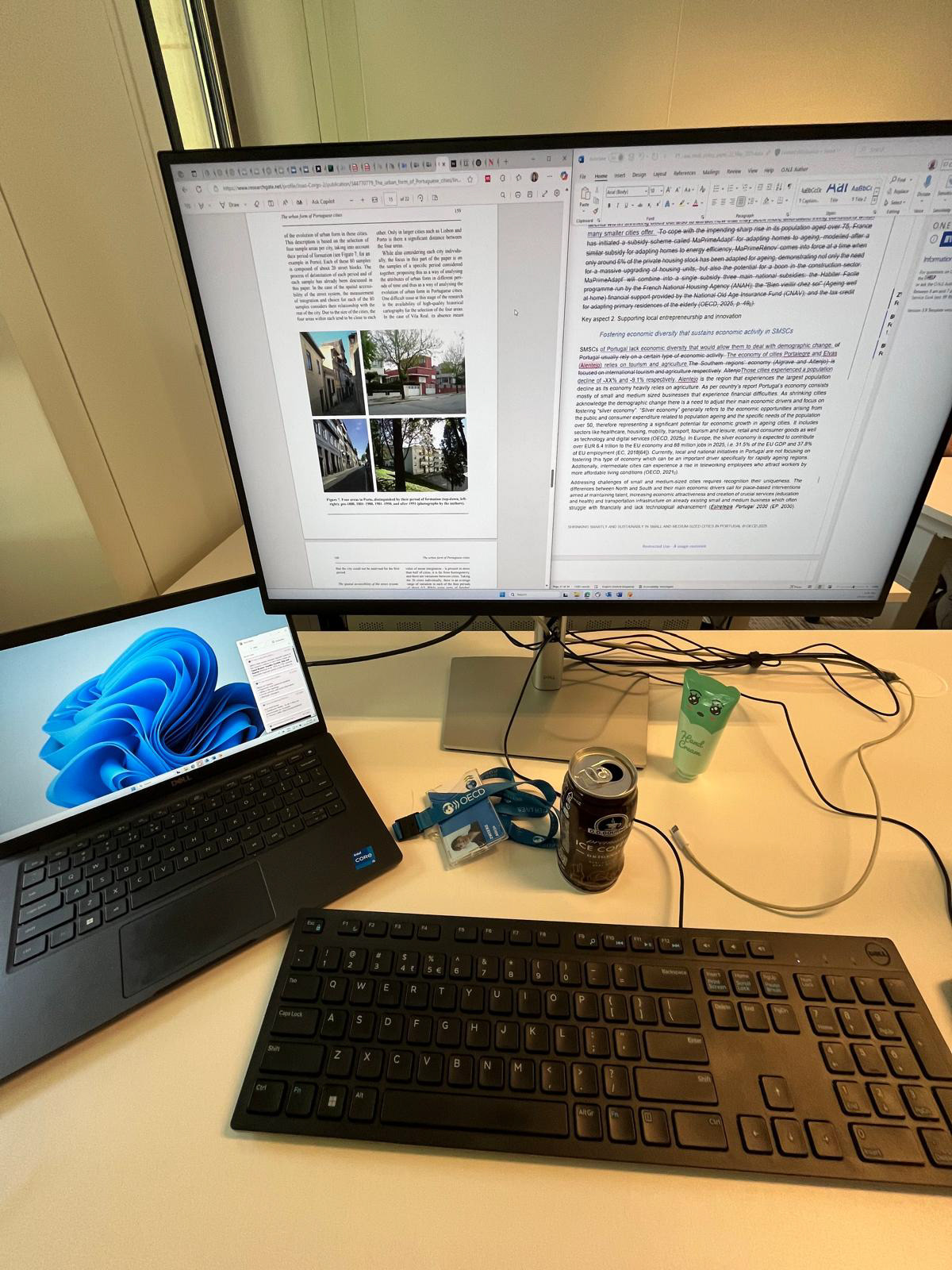
The project I decided to prepare as a part of the semester module was focused on my relationship with the placement host organisation and further on the relationship of urban planners and researchers to urban policy. As urban policies and governance started to be at the core of my work, I gained an interest in them and their influence on urban planners designs as well as everyday life of people living in those spaces. Before I started my internship, I had limited to no interest in diving deeper into urban policies and what impact they have on physical spaces. It seemed not related to my interest in archival works on cities, maps, mythologies and stories we tell ourselves about them. I became collecting visual representations of Cork which allowed me to create a framework that was using pre-modern way of depicting cities in contemporary planning (in the form of maps, planning documents). I was able to find a link between those only later in during my internship. I started to become more familiar with political science as well as economic theories which are guiding development of cities (especially in OECD member countries which are capitalistic democracies). I started to wonder how theories can guide real-life changes and became interested in this moment between the creation of a theory/a point of view and its physical manifestation.
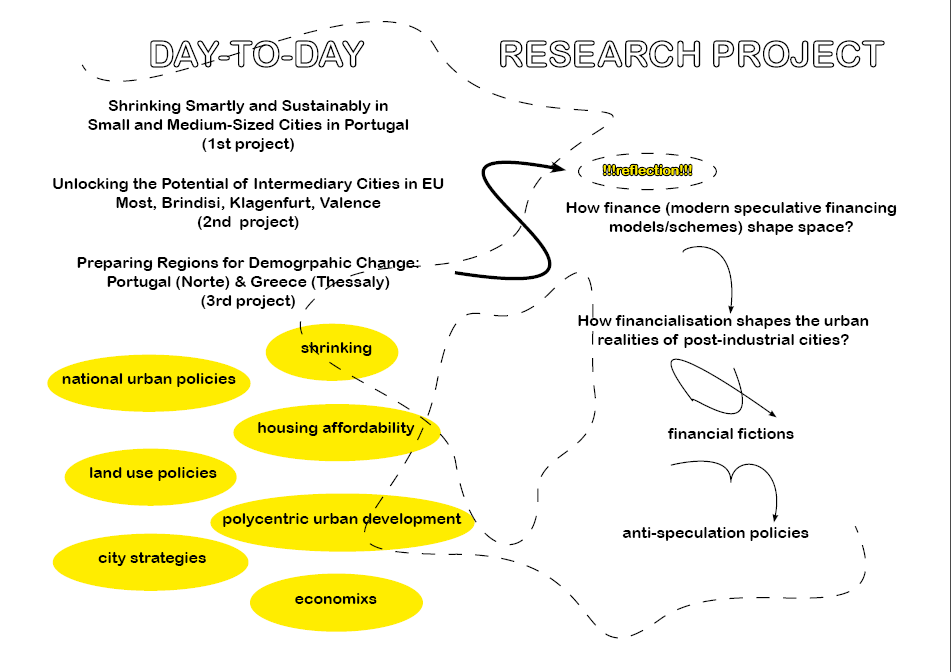
This is when I decided to focus on research regarding speculative practices in urban planning. More specifically, on how financialisation of real estate markets influence cities. Through my work on Portugal on shrinking cities and the influence of the housing crisis on them I became familiar with anti-speculation policies (land re-adjustment, infrastructure levy etc.) (OECD, 2022). My later engagement in the project on demographic change in Thessaly region in Greece also made me aware of how governments use financialisation, upselling and privatisation of public services (especially when it comes to land) in the times of economic crises (Greece’s economic (started in 2009). In my project I decided to focus on how economic situation can condition and “produce” the urban space. This focus came from my understanding how little I knew about anti-speculation urban policies and how they are not common knowledge of urban designers and researchers (something I discovered in my peers). As a part of my research project, I decided to gather the knowledge on existing policies (good practices) that are used around the world to help keeping the land prices low and therefore support housing affordability. At the same time I wanted to make this knowledge more accessible (for urban partitioners but also other interested people) hence I decided to create a quiz where I would translate the policies’ characteristics into human ones (a system often used in myths and stories) and allow people to gain a better understanding of the policies through creating a more intimate learning experience. Below you might find the link to the quiz and find out which of the anti-speculation policies suits your personality best (mine is land re-adjustment!):